StoneStory
Turn Dream of the Red Chamber into an interactive AI narrative simulation, so literature becomes more than static reading.
Offline after setup
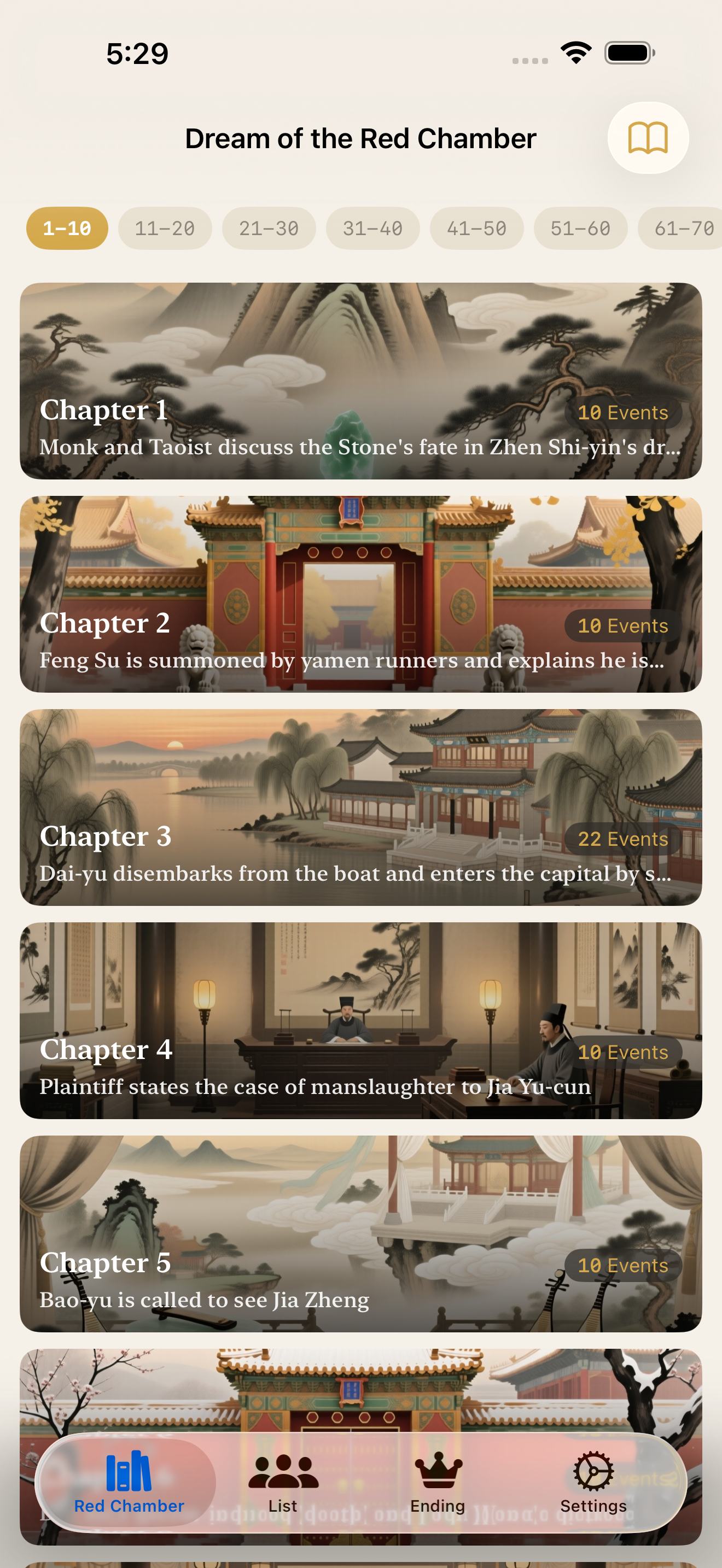
StoneStory abstracts characters, scenes, and events into a runnable narrative system, letting you move alongside the classic rather than merely read it.
Turning a classical novel back into a world that runs#
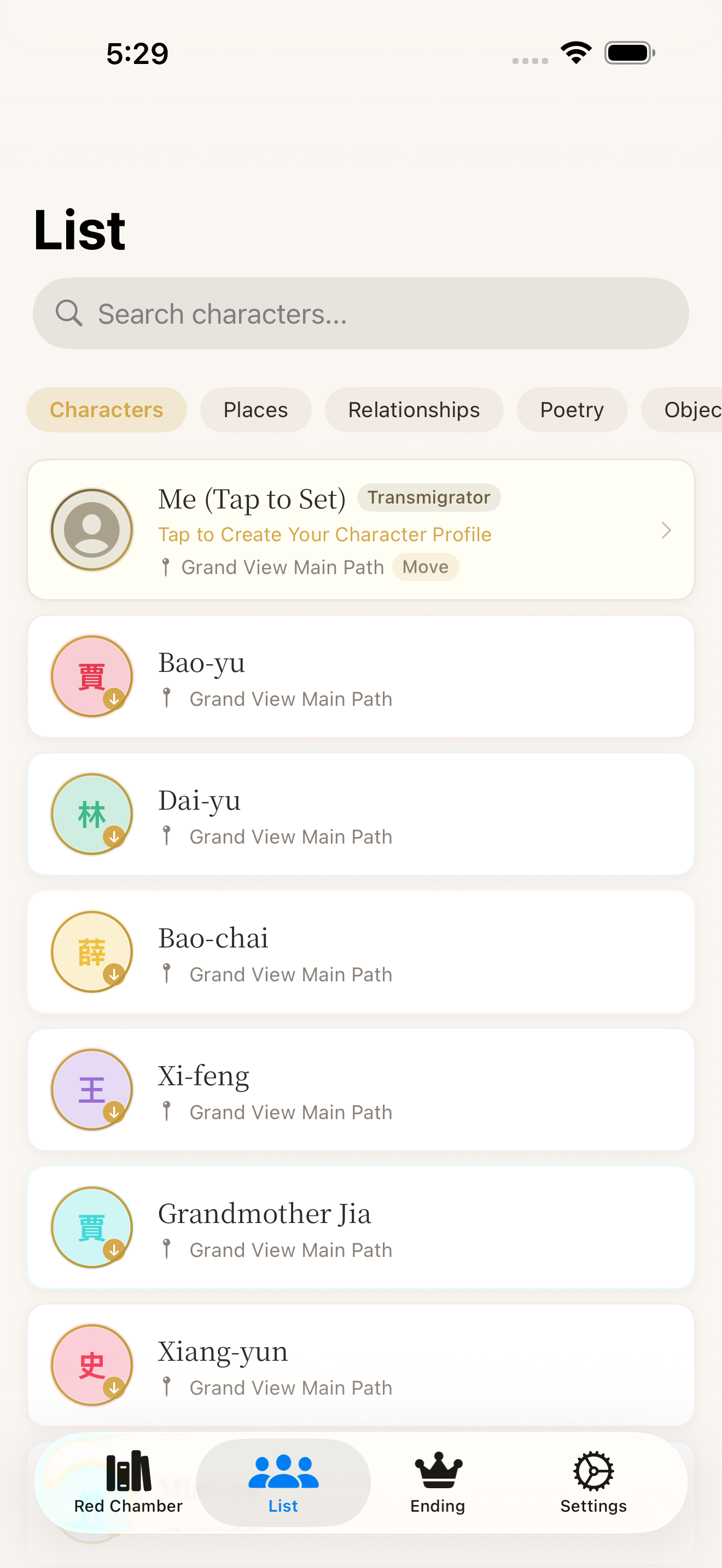
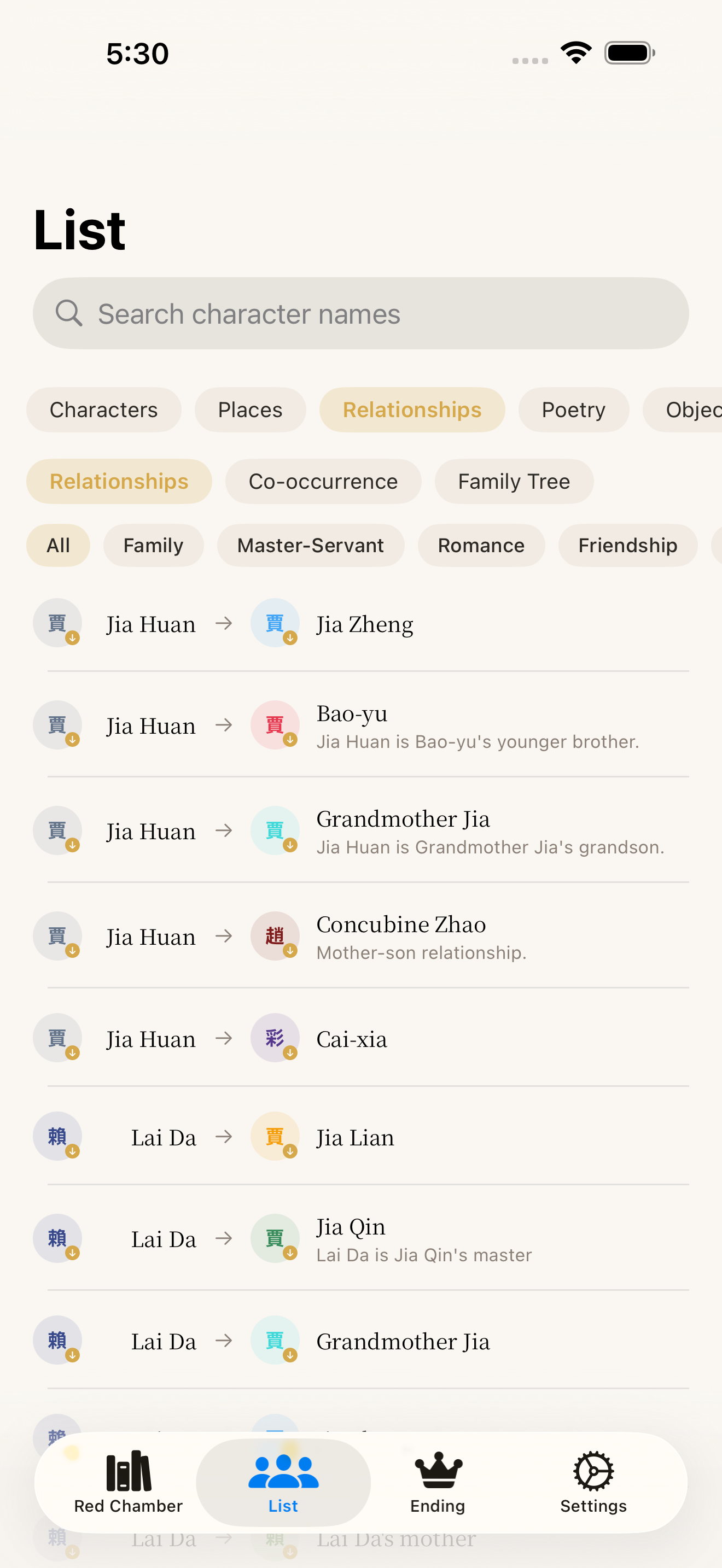
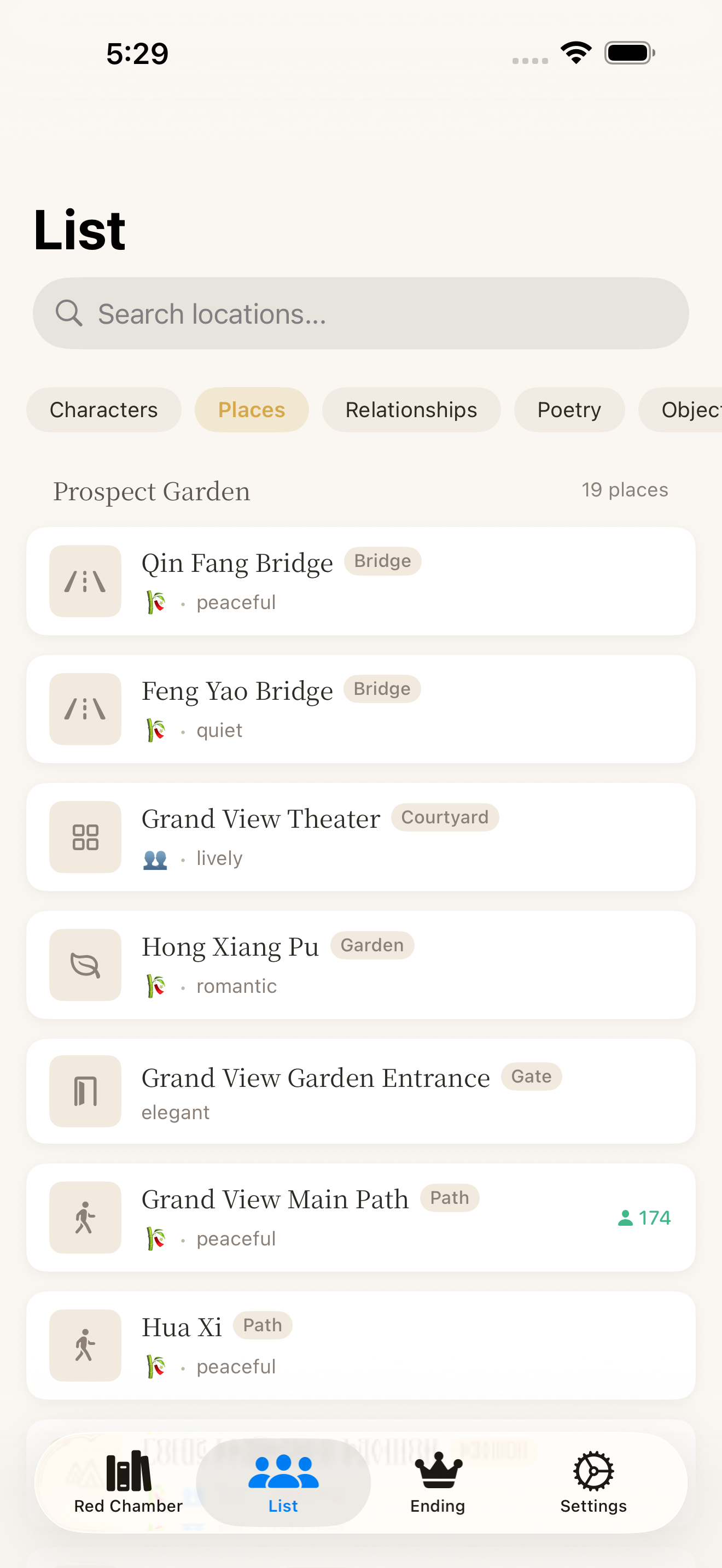
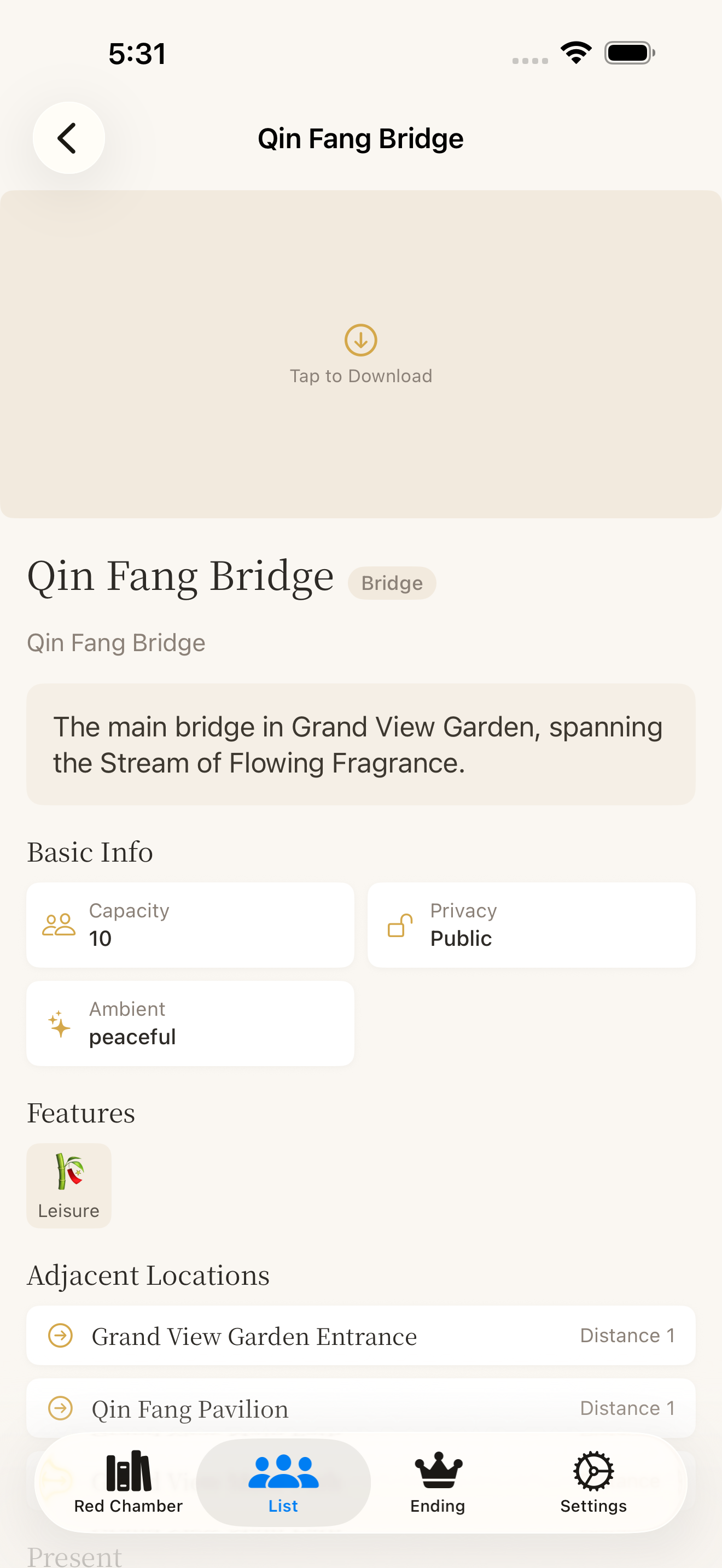
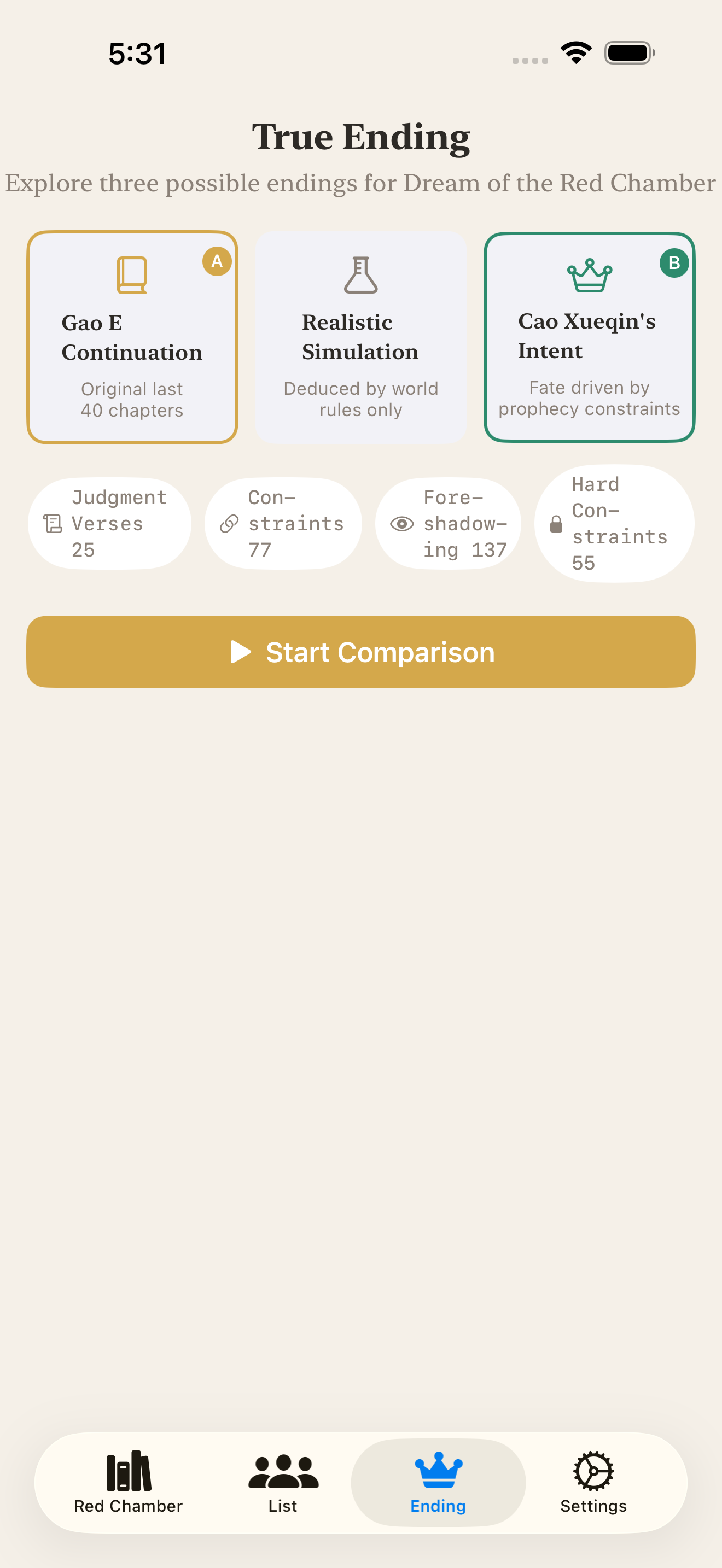
Most literary apps put the original text into a prettier reader. StoneStory takes a different path. It disassembles the characters, scenes, relationships, and events of Dream of the Red Chamber into a running narrative system. What you see is more than passages. You see how characters pull at each other, how they reveal personality inside situations, and how a classical novel operates like a small society.
That’s why it’s called a simulator rather than a reader. The goal is to take you into the structure beneath the text, not to serve up the same words in a nicer shell.
Who actually needs a product like this#
If you already love Dream of the Red Chamber, what you’ll get here is a new way in rather than simple nostalgia. Characters become entities you can compare, observe, and reinterpret, rather than reference points to memorise. You’ll see more easily who truly made choices in which scenes, how emotions accumulated, and which details were already foreshadowing what came later.
If classical literature has always felt distant, the app may actually be easier to approach. It doesn’t demand that you first swallow the thick original to qualify; it breaks a complex work into a system you can approach slowly and understand incrementally.
AI here opens the door to understanding#
StoneStory uses AI for the work of comprehension, not plot generation: character inner life, emotional tension, modern-perspective interpretation, structural connections between events. For the user, this adds a layer of guided commentary: an interactive interpretation that shifts with each scene, rather than a dogmatic gloss.
The design suits Dream of the Red Chamber’s particular shape: many characters, complex relationships, extremely high detail density. You can let the system open the door, then decide how deep to go, instead of rebuilding the structure from scratch every time.
Why on-device AI still matters here#
This kind of product is easy to ship as a cloud demo. The moment content comprehension, reading history, and interaction all depend on external services, though, the experience becomes fragile, and it stops feeling like something that can accompany you long-term. StoneStory pushes the core experience back to the device, so immersive reading and exploration can actually exist as everyday tools, not as a technical showcase.
If you want the deeper technical and methodological thinking behind this, the related reading below goes there. If you’d rather start with the experience, the App Store is the most direct entry.
Quick Links
Head straight to the store, or read the support and privacy pages first.
Core Features
Screenshots